The Tax team in Monash’s Business Law and Taxation department
We are delighted to announce that Austaxpolicy, established by TTPI, is now a collaboration between the ANU and Monash University. The ANU looks forward to working with the Tax team in Monash’s Business Law and Taxation department (pictured above) to jointly advance our shared goal of disseminating tax and transfer research for the public benefit.
Monash’s Tax Law Research Group undertakes qualitative and quantitative research on tax law and policy issues of national and international significance. The Tax team’s subject matter expertise spans the full taxation spectrum, including personal and corporate income tax, energy and resources taxation, value added taxes, taxpayer compliance, and international taxation. The Group is committed to developing innovative cross-disciplinary projects that produce rigorous and accessible research for policymakers, the academy, the profession and the broader community.
Together, we will draw on our combined expertise, networks and institutional strengths to share important and pioneering research on tax and transfer policy with a global audience.
The Tax team in Monash’s Business Law and Taxation department, from left to right in image:
Agustinus Saputra (PhD Student), Ananda Anggara S (PhD Student), Swapna Verma, Amanda Selvarajah, Amna Shah, Helen Ping (co-editor of Austaxpolicy), John Minas (co-editor of Austaxpolicy and Director of the Taxation Law and Policy Research Group), John Bevacqua (head of Monash Department of Business Law and Taxation), Wide Putra (PhD Student)
Citation :
Walpola,Sonali,Ping,Yuan,Minas,John,Morris,Todd,Labanca,Claudio& You,Jean, (2026),
Austaxpolicy – ANU and Monash Collaboration,
Austaxpolicy: Tax and Transfer Policy Blog,
20 March 2026, Available from:
About the Author
Sonali Walpola
Dr Sonali Walpola is an Associate Professor at the ANU College of Business and Economics. Sonali’s research interests broadly encompass taxation law and policy and the nature of common law developments. Her recent projects have analysed integrity measures to address tax avoidance through trusts, the interpretation of the residence article in double tax agreements, and the Australian High Court’s attitude to change in the common law. Sonali is a co-editor of Austaxpolicy, the Journal of Australian Taxation and Law&History, which is the journal of the Australia New Zealand Law History Society. Sonali is a fellow of the ANU Tax and Transfer Policy Institute, a member of The Tax Institute Higher Education Academic Board, and the Academic Lead of the ANU Tax Clinic, which she co-founded in 2019.
Yuan Ping
Yuan (Helen) Ping is a Lecturer in Business and Corporate Law at the Department of Business Law and Taxation of Monash University and a qualified legal practitioner. She is currently completing a PhD at the Research School of Accounting, Australian National University. Helen’s research interests are in the fields of regulatory enforcement and corporate tax behaviour, specifically examining the effects of the U.S. Securities and Exchange Commission’s tax-related comment letters on market response and firm policies. She has published papers in the Australian Tax Forum and eJournal of Tax Research. Helen is also the co-editor of Austaxpolicy.
John Minas
John Minas is an Associate Professor in the Department of Business Law and Taxation at Monash University, a Research Affiliate with the Tax and Transfer Policy Institute, Crawford School of Public Policy, at ANU, and an Adjunct Research Fellow in the Law Futures Centre at Griffith University.
Todd Morris
Todd Morris is a Lecturer in the School of Economics at the University of Queensland and an Economics Editor at AusTaxPolicy. He obtained his PhD from the University of Melbourne in 2020. After that, he was a postdoctoral researcher at the Max Planck Institute for Social Law and Social Policy from 2019 to 2021 and at HEC Montreal from 2022 to 2023. His main research interests are in public and labour economics. A unifying theme to his research is the causal evaluation of government policies (often related to retirement).
Claudio Labanca
Dr Claudio Labanca is a Senior Lecturer in the Department of Economics at Monash University. His research interests include Labor Economics, Public Economics and Applied Microeconomics. Claudio is a Research Affiliate at the IZA, the Tax and Transfer Policy Institute at the ANU, SoDa Labs, and is a co-editor of Austaxpolicy.
Jean You
Dr Jean You is a Lecturer in Research School of Accounting of Australian National University. Jean’s research interests are in the fields of regulatory enforcement and policy setting, specifically tax transparency and tax avoidance in multinational entities. She has published papers in the Australian Tax Forum and ABACUS.
The OBBBA created yet one more savings vehicle for parents and other relatives of children under age 18 to consider. While the new provisions are lengthy and a bit complicated, a good deal of understandable information is being pushed out by Treasury/IRS (such as https://www.trumpaccounts.gov/) and it is an interesting savings vehicle worth looking into.
New Section 530A basically allows new accounts that operate much like a traditional IRA only they are for kids under age 18 and have restrictions on what they can invest in. Up to $5,000 can be contributed to the account annually (this amount is adjusted for inflation starting in 2028) until the year of the child’s 17th birthday. Of this amount, up to $2,500 can be contributed by an employer (per employee per year rather than per employee Trump Account) if the employer creates this employee benefit, written, per guidance to be issued by the IRS. The $2,500 is tax free to the employee (Section 128).
For a baby born in 2025 through 2028, the government will put $1,000 into the account if the baby is a US citizen and has an SSN and the parent or other relative makes the election. This doesn’t count towards the maximum $5,000 contribution per year. The $1,000 is treated as a tax refund so not taxable.
No distributions are allowed until the year the child turns 18 but the goal is for the child to learn about future value, savings and perhaps a bit about taxes, and let the money continue to grow. The child can start contributing via IRA rules once working and keeping the account. If disciplined, to keep the account and not pull it out for a new car or big party, the account could grow tremendously. For example, parents starting one in 2026 (contributions can’t start until 7/4/26) for their 3-year old child, contributing $5,000 per year until age 17 (15 contributions), assuming a 5% rate of return will have almost $108,000 at that time. If no further contributions, when the child is 60, the balance would be about $837,000.
You need to track basis in the account and if a state doesn’t conform, also track state tax basis in the account. If would be a lot simpler if states conform. For more information:I offer a few suggestions to make these accounts more enticing and protected:
1. Add a provision similar to Section 529(c)(2)(A)(i) that contributions to the account on behalf of any designated beneficiary is treated as a completed gift to that beneficiary which is NOT a future interest in property to make it clear that the gift can be exempt from reporting and gift tax under the $19,000 annual gift exclusion.
2. Encourage contributions and people not forgetting about the accounts by allowing tax refunds to be directed to the account(s).
3. Rather than have parents or someone elect to set up an account for an eligible baby born in 2025 through 2028, set it up automatically when the parents apply for an SSN for the baby, and sent information to the parents about the account and encourage them to continue to add funds as they can and set them up for eligible siblings too if possible.
4. Add more than a 10% withdrawal penalty to discourage 18-year-olds from emptying the account at age 18 or soon thereafter. Provide an incentive to encourage them to convert the account to a traditional IRA and continue making contributions; the incentive might be another $1,000 into the account at age 21.
5. Encourage states to conform to the OBBBA Trump Account provisions to simplify tracking basis in the account and for conformity on annual tax effects.
6. Require trustees to make contact with beneficiaries (and parents until beneficiaries turn 18) because it is possible beneficiaries will forget about the account and the trustee will end up sending it to the state as unclaimed property at some point in the future. This regular contact would ideally include some financial literacy tips.
Optima Tax Relief’s Chief Tax Officer and Lead Tax Attorney, Phil, answers another question from Reddit about getting back into tax compliance. In this case, the taxpayer hasn’t filed taxes in 10 years and was told by an enrolled agent that they likely only need to file the last six years to become current with the IRS. However, they’re wondering if they should wait 60 days until the next tax season so they won’t have to file their oldest return.
How the Six-Year Rule Works
The IRS typically requires taxpayers who are behind on filing to submit their most recent six years of tax returns. In this situation, the taxpayer estimates they owe about $30,000 in taxes, but with penalties and interest, the balance has grown to nearly $50,000. Waiting 60 days could potentially push the filing window forward and eliminate the need to file the oldest return.
Can You Wait? Yes. But Should You?
While it’s technically possible to wait, it may not always be the best move. For example, self-employed individuals may want to file older returns so their income is properly reported to the Social Security Administration, which can affect future retirement benefits.
The Risk of IRS Action
Another concern is that the IRS can file a Substitute for Return (SFR) on your behalf if you don’t file. These IRS-prepared returns exclude deductions and credits entirely, resulting in a larger tax bill. In some cases, a revenue officer may even request more than six years of returns if you had a filing requirement.
Waiting may seem tempting, but delaying can create more complications. Don’t wait—file your returns and start resolving the issue sooner rather than later.
If you need tax help, contact us today for a Free Consultation
In the face of growing wealth inequality between and within nations, attention in almost all developed economies has turned to the possible use of wealth or wealth transfer taxation to ameliorate the divide. Fifty years after Australia started to dismantle its robust gift and estate tax regime, and 73 years after the Commonwealth ended its principal wealth tax system, many are wondering whether it is time to reconsider the need for wealth or wealth transfer taxes in this country.
A Forgotten History of Wealth Taxation
Ironically, Australia was once a leader in wealth and wealth transfer taxes. Prior to Federation, all Australian states imposed wealth transfer taxes as well as full or partial income taxes, and most had imposed land taxes—imposts that remained in place after 1901. And less than a decade after Federation, the new Commonwealth government adopted a wealth tax based on landholdings intended to break up large landed estates. This was followed a few years later by a Commonwealth estates tax intended, in part, to reduce large parcels of wealth transferred at death, and later matched by a gift tax aimed at transfers of wealth prior to death.
The Federal Land Tax lasted just over 40 years. The wealth transfer taxes lasted just a little longer. Beginning in 1976 with Queensland, the states and federal governments abolished their taxes on wealth transfers at death and by gift prior to death. This left transfers of wealth entirely outside the tax system, apart from a very limited number of stamp duties imposed on some transfers of property and some state land taxes.
At the same time, a very weak income tax actively encouraged a skewed acquisition of wealth. It imposed high tax rates on labour income of the aspiring classes while entirely exempting the main form of income derived by the very rich: gains realised on the sale of investments.
The Capital Gains Concession and the Power of Deferral
The bias of the income tax system in favour of wealth accumulation by the country’s wealthiest was mitigated slightly in 1973, when gains from short-term investments were added to the income tax base. However, it was not until 1986 (with effect from September 1985) that gains from long-term investments were made subject to income tax.
The measure was applied for 15 years until its impact was dramatically reduced from September 1999 under changes to the income tax introduced by the Howard government. John Howard had strongly opposed the inclusion of investment gains in the income tax initially, and his 1999 changes introduced an exemption from income tax for half of investment gains realised on assets held for at least 12 months.
The concessional half-exemption of investment gains from income taxation was compounded by a further concession that allowed investors to defer paying tax on their gains by simply electing where their wealth should be invested. Ordinary businesses and workers pay tax annually on their gains. Investors may also enjoy annual gains on the value of their investments, but each year make an evaluation—known as portfolio choice—deciding whether the assets they own are likely to rise in value at the same rate or a greater rate than alternative investments, and consequently whether they should retain their wealth in existing investments.
If they decide to change investments, they are said to have “realised” their gains, and the non-exempt half of those gains is subject to income tax. However, if they make the choice to keep their wealth invested in the same assets for another year, recognition of the gains accrued during the year is deferred until the assets are sold.
The Political Hurdle of “Death Taxes”
The prospects for tax reform based on the taxation of wealth or wealth transfers are dismal at best. Apologists for the wealthy have run a remarkably effective campaign equating wealth transfer taxation with unjust appropriation by the government of private property. They have created the widely accepted illusion that wealth taxes—and in particular, death taxes—will hit working- and middle-class families hard.
Labelling a tax, including any aspect of the income tax, as a “death tax” is a strategy almost certain to guarantee its demise. The reality may be far different: modern wealth and wealth transfer taxes are usually designed to apply only to the ultra-rich and can easily utilize tapering thresholds to keep all but the very rich out of the system. Still, perceptions matter, and energy spent on reviving wealth or wealth transfer taxes is unlikely to yield tangible results.
A Blueprint for Reform: Lessons from Superannuation
There may be a more viable path to reforming the income tax on wealth accumulation, however, as illustrated by the government’s recent reform of superannuation taxation.
From the outset of federal income taxation in Australia in 1915, income put aside for retirement savings has been concessionally taxed. The concession was adopted to encourage workers to save for retirement when it was feared young workers, in particular, might be too myopic to realise they need to put some income aside for their retirement years. This rationale disappeared once Australia adopted a compulsory retirement savings system, but the concession—a lower tax rate on income contributed to a superannuation fund and on gains realised on a fund’s investments—remained in place.
Unsurprisingly, the concessional tax regime for retirement savings was fully exploited by very wealthy taxpayers who held significant parts of their investment portfolios in their superannuation funds, where gains were taxed at reduced rates. When the exploitation of this tax concession rose to unsustainable levels, the government finally moved to reduce it. They first attempted to do this by increasing the concessional rate on excessive savings in superannuation funds, and secondly by removing the portfolio choice option. Consequently, had the reforms been adopted as originally presented, gains would be taxed on an annual basis, regardless of whether investments remained in the same assets at the end of the year or had been realised and shifted to other investment assets. The Government found a number of compromises were needed to secure support for its proposals in Parliament, including a retreat from the annual recognition of gains whether assets had been sold or retained. The law, as originally drafted, however, provides model legislation for a system that taxes gains as they arise, removing the option to defer tax until a later time when assets are sold.
Extending the Logic to Broad Investment Gains
While investments in their superannuation funds are an important part of the total investment portfolio of the very wealthy, they constitute an ever-diminishing share of total investments as income rises. A broader reform of the taxation of investment gains is needed if Australia wishes to address the nation’s growing inequality.
The proposals for reform of the superannuation taxation regime and changes to the proposals as the reform measures progressed through Parliament provided two important lessons for those seeking reform of wealth taxation. From a law design perspective, the initial proposals showed that it is technically not difficult to tax investment gains as they accrue, regardless of a taxpayer’s portfolio choice to sell or retain appreciated investments. Second, the superannuation reform that was enacted, higher tax rates for gains realised by wealthier taxpayers on very large balances in concessionally taxed funds, illustrated how the political case for reform can be made if it is presented in a convincing fashion.
A starting point might be for the government to show how the benefit of the deferral of tax now enjoyed by investors accrues primarily to the small percentage of Australians in the wealthiest slices of society.
IRS tax relief programs offer multiple ways to manage or reduce tax debt in 2026, including installment agreements, Offers in Compromise, penalty abatement, and Currently Not Collectible status, depending on the taxpayer’s financial situation.
Who qualifies for tax relief is primarily determined by factors such as income, living expenses, assets, total tax debt, and overall compliance with IRS filing requirements.
Financial hardship and limited ability to pay are central considerations; taxpayers who cannot cover essential expenses may qualify for structured payment plans or settlement options.
How to qualify for tax relief involves evaluating your financial profile, ensuring all tax returns are filed, and submitting required documentation to the IRS for the program that best fits your situation.
Even large tax debts, past financial struggles, or active IRS enforcement actions do not automatically disqualify you from relief, though documentation and professional guidance are often necessary to navigate the process.
Optima Tax Relief can help taxpayers qualify for tax relief programs by assessing eligibility, preparing documentation, communicating with the IRS, negotiating settlements, and creating manageable repayment plans tailored to each taxpayer’s circumstances.
Millions of Americans struggle with tax debt each year. Rising living costs, unexpected financial setbacks, and simple filing mistakes can all lead to a balance owed to the IRS. For taxpayers facing mounting penalties and interest, the good news is that the IRS offers several tax relief programs designed to help individuals resolve their tax debt in manageable ways.
But many people aren’t sure who qualifies for tax relief, how the IRS evaluates eligibility, or what options are available. In reality, tax relief doesn’t just apply to extreme financial hardship. Many taxpayers qualify for some form of assistance based on their financial situation, ability to pay, and overall compliance with tax filing requirements.
This guide explains what tax relief is, the main IRS programs available in 2026, how to qualify for tax relief, and the factors the IRS considers when deciding whether to approve relief.
What IRS Tax Relief Programs Are Available in 2026?
Before understanding who qualifies for tax relief, it’s important to know the different types of relief options available. The IRS offers multiple programs designed to help taxpayers manage or resolve tax debt depending on their financial circumstances.
IRS Fresh Start Program
The Fresh Start Initiative was created to make it easier for taxpayers to repay tax debt and avoid aggressive collection actions. While many people refer to it as a single program, it is actually a collection of policy changes that expanded access to existing relief options.
The Fresh Start Initiative helped expand eligibility for installment agreements, broaden access to streamlined payment plans, and make it easier for taxpayers to resolve tax liens once their debts are satisfied. It also improved access to settlement options such as Offers in Compromise.
For example, a taxpayer who owes $35,000 in back taxes but cannot pay the entire balance upfront may qualify for a structured monthly payment plan through policies introduced by the Fresh Start Initiative. This allows the taxpayer to gradually repay the debt rather than facing immediate enforcement actions from the IRS.
Installment Agreements
Installment agreements are one of the most widely used tax relief programs available to taxpayers who cannot afford to pay their tax debt all at once.
These agreements allow individuals to repay their tax balance through manageable monthly payments instead of making a single lump-sum payment. In many cases, installment agreements are the first relief option the IRS considers because they allow taxpayers to gradually resolve their debt while staying compliant.
There are several types of installment agreements available depending on the taxpayer’s situation. Short-term payment plans give taxpayers up to 180 days to pay their balance in full and are generally available to those who owe less than $100,000 in combined tax, penalties, and interest. Long-term installment agreements — also called Simple Payment Plans — allow taxpayers who owe $50,000 or less in combined tax, penalties, and interest to make monthly payments over time, typically up to 72 months (six years). In some cases, taxpayers who cannot fully repay within that period may be able to extend payments further, up to the IRS collection statute of generally 10 years, though this typically requires additional financial documentation. Streamlined installment agreements are available for many taxpayers whose tax balances fall within certain thresholds, making the approval process faster and simpler.
For example, a freelancer who underestimated quarterly tax payments and ends up owing $18,000 might qualify for a long-term installment agreement that allows them to pay the balance through affordable monthly payments instead of facing immediate IRS collections.
Offer in Compromise (OIC)
An Offer in Compromise allows eligible taxpayers to settle their tax debt for less than the full amount owed when the IRS determines that collecting the entire balance is unlikely.
To determine whether an Offer in Compromise is appropriate, the IRS evaluates the taxpayer’s financial situation in detail. This includes reviewing income, necessary living expenses, asset equity, and potential future earnings. If the IRS determines that a taxpayer’s financial situation makes full repayment unrealistic, it may accept a reduced settlement amount.
For example, someone who owes $50,000 in tax debt but has limited income, minimal assets, and little future earning potential may qualify for an Offer in Compromise. In this situation, the IRS may accept a reduced amount as a final settlement because it believes the taxpayer cannot reasonably repay the full balance.
Currently Not Collectible (CNC) Status
Some taxpayers simply do not have the financial ability to pay their tax debt at a given time. In these situations, the IRS may place the account into Currently Not Collectible (CNC) status.
When a taxpayer is placed into CNC status, the IRS temporarily pauses active collection efforts. This means actions such as wage garnishments, bank levies, or other aggressive collection attempts are suspended while the taxpayer’s financial hardship continues.
Although interest and penalties may still accrue during this time, CNC status recognizes that forcing payment could create significant financial hardship. For example, a taxpayer who recently lost their job and is struggling to cover housing, food, and medical expenses may qualify for CNC status until their financial situation improves.
Penalty Abatement
In many cases, taxpayers owe significant penalties in addition to the original tax balance. Penalty abatement allows the IRS to remove or reduce certain penalties when specific conditions are met.
One of the most common forms is First-Time Penalty Abatement, which may be available to taxpayers who have a history of filing and paying their taxes on time. Another option is Reasonable Cause Penalty Relief, which is granted when taxpayers can demonstrate that circumstances beyond their control caused them to miss a filing deadline or payment obligation.
Examples of reasonable cause include serious illness, natural disasters, financial hardship, or relying on incorrect professional advice. Reducing penalties can significantly decrease the total amount owed and make resolving tax debt more manageable.
Who Qualifies for IRS Tax Relief Programs?
The IRS evaluates several key factors when determining who qualifies for tax relief. Although each program has its own requirements, most eligibility decisions center around a taxpayer’s ability to pay and overall financial situation.
Financial Hardship
One of the most important considerations in determining eligibility is whether paying the full tax balance would create financial hardship for the taxpayer.
The IRS reviews several aspects of a taxpayer’s financial profile, including monthly income, housing costs, transportation expenses, medical expenses, and the number of dependents in the household. If paying the full tax debt would prevent a taxpayer from covering necessary living expenses, the IRS may determine that relief options are appropriate.
For example, a single parent earning $45,000 per year while supporting two children may have limited disposable income after paying rent, groceries, childcare, and transportation costs. In this case, the IRS may determine that a structured payment plan or other relief option is necessary.
Compliance With Filing Requirements
Another key factor in determining eligibility for relief is whether the taxpayer is compliant with IRS filing requirements.
The IRS generally requires taxpayers to file all required tax returns before approving most forms of tax relief. This ensures the agency has an accurate picture of the taxpayer’s total liability. Taxpayers who have several unfiled returns may still qualify for relief, but those returns will typically need to be submitted before the IRS will move forward with evaluating relief options.
Demonstrated Ability (or Inability) to Pay
When determining how to qualify for tax relief, the IRS carefully evaluates whether the taxpayer has the financial ability to repay the debt.
This analysis focuses on disposable income, which is the amount remaining after necessary living expenses are paid. If a taxpayer has sufficient disposable income, the IRS may require installment payments over time. If disposable income is extremely limited, the IRS may consider settlement options or temporary collection relief.
Total Amount of Tax Debt
The amount of tax debt owed can also influence eligibility for different relief programs.
Certain programs have thresholds or simplified qualification processes for smaller balances, while larger tax debts may require more detailed financial documentation. Regardless of the amount owed, the IRS generally attempts to create a path toward resolution that aligns with the taxpayer’s financial capabilities.
Common Signs You May Qualify for IRS Tax Relief
Many taxpayers assume they do not qualify for relief, but several warning signs suggest that tax relief programs may be available.
You Cannot Pay Your Tax Debt in Full
If paying your entire tax balance would deplete your savings or prevent you from covering basic living expenses, you may qualify for a payment plan or another form of relief.
IRS Penalties and Interest Are Growing
When penalties and interest continue to increase the amount owed, relief programs such as penalty abatement or settlement options may help reduce the total debt.
You’re Facing IRS Collection Actions
Taxpayers who are facing wage garnishments, tax liens, or bank levies may still qualify for relief options that help stop or reduce collection actions.
Your Financial Situation Has Changed
Major life events can significantly affect your ability to pay taxes. Situations such as job loss, divorce, medical emergencies, or a downturn in business income can create financial hardship that may make you eligible for relief programs.
What “IRS Tax Relief” Actually Means
Many taxpayers misunderstand what tax relief is and assume it automatically eliminates tax debt.
Tax Relief Does Not Always Mean Debt Forgiveness
While some programs like Offers in Compromise can reduce the amount owed, most tax relief solutions focus on making repayment more manageable. This may include structured payment plans, temporary pauses on collections, or the reduction of penalties.
The IRS Focuses on Resolution
The IRS generally prefers to work with taxpayers who are willing to resolve their debt rather than those who ignore it. Entering a relief program demonstrates a willingness to address the situation and can help taxpayers avoid more aggressive collection actions.
Does the Fresh Start Program Still Apply in 2026?
The Fresh Start Initiative was launched in 2011 to help a growing number of taxpayers struggling to manage and resolve federal tax debt. Rather than creating entirely new programs, the IRS expanded eligibility and adjusted the rules for existing relief options to make them more accessible.
Fresh Start Expanded Access to Relief
The initiative expanded eligibility for installment agreements, made it easier to resolve tax liens, and improved access to settlement options such as Offers in Compromise.
Fresh Start Is Not a Single Program
Rather than being one standalone program, the Fresh Start Initiative refers to policy changes that expanded access to several IRS tax relief options. These policies continue to shape how taxpayers qualify for relief today.
What Does NOT Automatically Disqualify You From Tax Relief
Many taxpayers believe certain financial situations automatically disqualify them from relief, but this is not always the case.
Having a Large Tax Debt
Even taxpayers with substantial tax debt may still qualify for installment agreements or settlement options depending on their financial situation.
Past Financial Struggles
Previous financial challenges such as unemployment, bankruptcy, or temporary income loss do not necessarily prevent taxpayers from qualifying for relief.
IRS Enforcement Actions
Even if the IRS has already initiated collection actions such as wage garnishments or bank levies, relief options may still be available to resolve the debt.
Do You Need All Tax Returns Filed to Qualify?
Tax compliance plays an important role in determining how to qualify for tax relief.
Filing Missing Returns Is Usually Required
The IRS typically requires taxpayers to file all outstanding tax returns before approving relief programs so that the total tax liability can be accurately calculated.
Unfiled Returns Do Not Permanently Disqualify You
Although unfiled returns can delay approval, they rarely prevent taxpayers from qualifying for relief entirely. Once the returns are filed and financial documentation is submitted, the IRS can review eligibility.
How the IRS Decides Whether to Approve Tax Relief
When evaluating requests for relief programs, the IRS conducts a detailed financial analysis.
Income and Expenses
The IRS compares a taxpayer’s income with allowable living expenses based on established Collection Financial Standards. These standards help determine reasonable costs for housing, food, transportation, utilities, and healthcare.
Assets and Equity
The IRS also evaluates assets such as homes, vehicles, investments, and retirement accounts. If a taxpayer has significant equity in assets, the IRS may expect that equity to be applied toward the tax debt.
Future Earning Potential
In some cases, the IRS evaluates whether the taxpayer’s income is likely to increase in the future. This can influence whether a settlement offer is accepted or whether a payment plan is required.
Overall Financial Hardship
Ultimately, the IRS determines whether requiring full repayment would create financial hardship or whether relief options are necessary to resolve the debt realistically.
What Happens If You Ignore Your Tax Debt?
Ignoring tax debt can make the situation significantly worse over time.
The IRS Collection Process
If taxpayers fail to respond to IRS notices or payment requests, the agency may eventually take enforcement actions. These actions can include placing tax liens on property, garnishing wages through an employer, levying bank accounts, or seizing certain assets. At the same time, penalties and interest will continue accumulating, increasing the total balance owed.
Early Action Provides More Options
Taxpayers who address their tax debt early typically have access to more flexible solutions. Waiting until the IRS begins enforcement actions can limit available options and make resolving the situation more difficult.
What Company Can Help Qualify Me for Tax Relief?
Navigating IRS tax debt can feel overwhelming, especially for taxpayers facing large balances, unfiled returns, or active collection actions like wage garnishments or bank levies. For many taxpayers, working with an experienced tax relief provider can make the process significantly easier.
How Optima Tax Relief Assists Taxpayers
Optima Tax Relief specializes in helping taxpayers evaluate their eligibility for IRS relief programs and navigate the resolution process.
Optima Tax Relief begins by reviewing a taxpayer’s financial situation, including income, necessary living expenses, assets, and total tax liability. This evaluation helps determine which tax relief programs may be most appropriate, whether that involves an installment agreement, an Offer in Compromise, penalty abatement, or another IRS resolution option.
Once eligibility is identified, our team assists with preparing and submitting the documentation required by the IRS, including detailed financial disclosures used to evaluate relief requests. We also communicate directly with the IRS on behalf of taxpayers, helping ensure that filings, applications, and negotiations are handled properly.
Because resolving IRS debt can involve complex paperwork, strict deadlines, and ongoing communication with the IRS, working with experienced tax professionals can simplify the process and reduce stress for taxpayers. Optima Tax Relief helps clients understand who qualifies for tax relief, identify the most effective resolution strategy, and pursue solutions that may help stop collection actions and create a manageable plan for resolving tax debt.
Frequently Asked Questions
What is tax relief?
Tax relief refers to programs that help taxpayers manage, reduce, or resolve their IRS debt. It can include payment plans, reduced penalties, settlement offers, or temporary pauses on collections.
How do I qualify for tax relief programs?
You qualify by filing all required tax returns, providing accurate financial information, and showing that you cannot pay your full tax debt without undue hardship. Programs like installment agreements and Offers in Compromise have specific eligibility criteria.
What happens if I ignore my tax debt?
Ignoring tax debt can lead to liens, wage garnishments, bank levies, and growing penalties. Addressing the debt early increases the chances of qualifying for tax relief programs and avoiding enforcement actions.
How can Optima Tax Relief help me qualify for tax relief?
Optima Tax Relief evaluates your financial situation, determines the most appropriate IRS programs, prepares documentation, and negotiates directly with the IRS to create manageable repayment plans.
Tax Help for People Who Owe
Understanding who qualifies for tax relief in 2026 can help taxpayers take control of their financial situation before IRS penalties and enforcement actions escalate.
The IRS offers multiple tax relief programs, including installment agreements, Offers in Compromise, penalty abatement, and temporary collection pauses for those experiencing financial hardship. Eligibility typically depends on income, expenses, assets, and the taxpayer’s overall ability to repay the debt.
Even individuals with significant tax balances or past financial challenges may still qualify for assistance. If you’re struggling with IRS debt and wondering how to qualify for tax relief, taking action early and exploring available options can help you resolve your tax obligations and move toward financial stability. Optima Tax Relief is the nation’s leading tax resolution firm with over $3 billion in resolved tax liabilities.
If You Need Tax Help, Contact Us Today for a Free Consultation.
You bought a rental property. It’s cash flowing. Everything looks great.
Then you realize it’s sitting in your personal name.
Now you’re thinking about LLC asset protection, but you’ve got a mortgage. And someone told you transferring property into an LLC could trigger the due-on-sale clause and cause the bank to accelerate the note.
What’s the worst that could happen?
In many situations, you can transfer a rental property into an LLC without risking your mortgage, but only if you follow the correct steps to transfer property into an LLC and understand who actually controls your loan.
If you structure it properly, you can avoid the due-on-sales clause from being triggered. And if your loan doesn’t qualify for a direct transfer, there’s a proven workaround that still protects your investment.
Let’s walk through this strategy step-by-step.
If you’d like to see me draw this out, including the “servicer vs. who actually owns the note” issue, watch the original video here.
Can You Transfer a Rental Property Into an LLC If You Have a Mortgage?
Yes—transferring property to an LLC with a mortgage happens all the time, but whether you should transfer it directly into a Limited Liability Company (LLC) depends on two things:
Who actually owns your loan
What your mortgage documents say
Your loan servicer, the company you send payments to, does not make the rules. Their job is to collect payments and enforce the note if you default.
The owner of the note determines what is permissible.
That owner is often Fannie Mae or Freddie Mac.
So when a servicer says, “You can’t do that,” it doesn’t automatically mean you’re stuck. It means you need to verify who owns the loan and what their servicing guidelines allow.
And yes, this ties directly to the due-on-sale clause. This is a provision in most promissory notes that allows a lender to accelerate the loan upon a transfer of title.
The question isn’t whether the clause exists—it’s if it is permitted.
Request a free consultation with an Anderson Advisor
At Anderson Business Advisors, we’ve helped thousands of real estate investors avoid costly mistakes and navigate the complexities of asset protection, estate planning, and tax planning. In a free 45-minute consultation, our experts will provide personalized guidance to help you protect your assets, minimize risks, and maximize your financial benefits. ($750 Value)
Step 1: Find Out Who Owns Your Mortgage Note
Before you transfer anything, confirm whether Freddie Mac or Fannie Mae owns your note.
Go online and use the Freddie Loan Lookup Tool or the Fannie Loan Lookup Tool. Enter your property address and the last four digits of your Social Security number. The tool will tell you whether that agency owns your loan.
If Freddie doesn’t own it, check Fannie.
If one of them owns the note, you may have a clean lane to transfer the rental into an LLC, even if your servicer told you otherwise.
Step 2: Make Sure You Control the LLC
If property is transferred into an LLC, you must control that entity.
Control means you are either:
The manager, or
A majority owner (at least 51%)
This is where investors sometimes get confused.
Some people want anonymity. So they form an LLC in one state, then create a holding LLC that owns it. The investor personally owns the holding company.
That can still work.
As long as you control the structure, even indirectly, you meet the control requirement.
If you satisfy that requirement and your loan is owned by Fannie or Freddie, you can transfer ownership to the LLC without violating the due-on-sale clause under their guidelines.
What Do I Need To Look Out For?
There’s one issue many investors overlook.
If you transfer the property into an LLC and later want to refinance using a conventional loan, you may need to pull the property back out of the business structure to complete the refinance.
Unless you’re using a loan product that allows using an LLC for rental property ownership, conventional lenders often require the property to be held in your personal name for refinancing.
Keep that in mind before making the move.
When Does Transferring To an LLC Create Problems?
There are situations where a direct transfer into an LLC can create risk.
1) The Property Was Originally Your Primary Residence
If you bought the property as a personal residence, your loan likely includes an occupancy requirement. You agreed to live there.
Even if you later convert it into a rental, transferring it into an LLC as an investment property can create a problem because you may be violating the original mortgage terms.
That’s different from a property that was a rental from the beginning.
2) The Loan Isn’t Owned by Fannie or Freddie
If your original lender still owns the note, they don’t have to follow Fannie or Freddie guidelines; only the required federal and state laws apply.
If the note says transferring title allows them to accelerate the loan, they can enforce that provision.
That’s when you need a different approach.
The Workaround: How Do You Use a Trust First, Then Move It Into the LLC?
If you can’t transfer the property directly into an LLC, there’s a strategy Anderson Advisors has used for over two decades to protect investment property.
Here’s how it works:
Create a trust.
Deed the property into the trust name.
Remain the beneficiary of that trust.
Assign your beneficial interest in the trust to your LLC.
The trust must be a grantor trust.
If anyone asks what type of trust it is, you say it’s a grantor trust.
If they ask why you set it up, the answer is simple: estate planning, to bypass probate.
How Should I Name the Trust?
A common error new investors make is naming the trust something like:
“Big Bird Land Trust.”
That’s a dead giveaway.
Never use the words “land trust” in the recorded title name. Just call it something neutral, like:
“Big Bird Trust.”
Keep it clean.
How Do You Move the Trust Into the LLC?
Once the property is deeded into the trust, you prepare an Assignment of Beneficial Interest.
It reads something like:
“I, Clint Coons, the sole beneficiary of the Big Bird Trust, hereby transfer and assign my beneficial interest to [LLC Name].”
You sign it.
Now the LLC owns the beneficial interest in the trust.
Title remains in the trust, but the LLC owns the economic interest, giving you the asset protection structure when a direct transfer isn’t available.
What Do You Do If Your Servicer Pushes Back?
Servicers get this wrong all the time.
They don’t write the guidelines. They enforce them.
If Fannie or Freddie owns your loan and you meet the control requirement, the transfer is permitted under the investor’s rules.
And practically speaking, as long as:
You’re paying the mortgage on time
You’re insuring the property
You’re paying property taxes
It’s typically a non-issue.
What Are the Tax Consequences of Transferring Property to an LLC?
Investors often ask about the tax implications of transferring property to an LLC—especially whether it triggers capital gains tax, creates a new tax bill, or changes how rental income is reported.
Many real estate investors use LLCs because they’re commonly treated as pass-through entities, meaning income and activity flow through to the owner rather than being taxed at the entity level.
The tax outcome can depend on how you’re creating an LLC, how it’s set up with the Secretary of State, and whether you’re using a single-member LLC or a multiple-member LLC.
What’s the Bottom Line?
If you want LLC asset protection for your rental property, don’t stop at what the servicer says. Start by confirming who owns the note.
If Fannie or Freddie owns it and you control the LLC, you may be able to transfer the property without triggering the due-on-sale clause to the LLC.
If the loan isn’t eligible, use the trust strategy. Deed the property into a grantor trust, remain the beneficiary, and assign the beneficial interest to your LLC.
Either way, the goal is the same:
Protect the asset
Keep the mortgage stable
Structure it correctly
And once you form and register the LLC—including choosing a registered agent—make sure the ownership and control requirements align before you transfer title.
Schedule a free 45-minute Strategy Session with a Senior Advisor to evaluate your ownership structure. We’ll review how you’ve titled your property and map out the safest way to protect it.
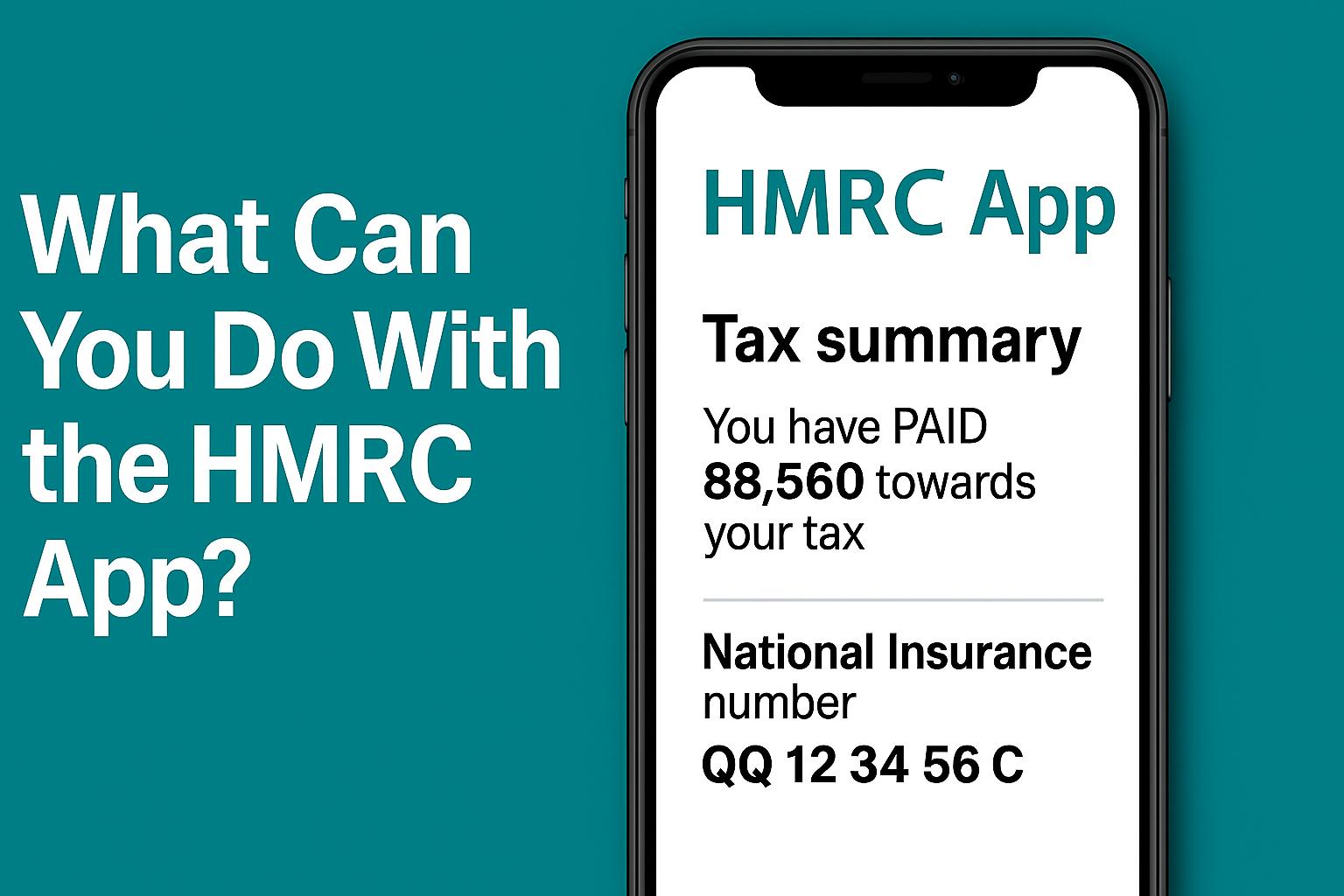
Many UK taxpayers wonder what can you do with the HMRC app. The free app runs on both iPhone and Android devices. It has grown from a basic information tool into a practical platform for personal tax tasks.
Knowing what can you do with the HMRC app could save you a long wait on hold to HMRC. The app consistently ranks in the top five finance apps on both the App Store and Google Play.
Since its launch, the app has been downloaded by more than seven million people across the UK.
HMRC estimates that millions of phone calls each year could be avoided by using the app instead. That figure points to just how broad what can you do with the HMRC app actually is.
If you have never used it before, you may be surprised by what can you do with the HMRC app today.
From checking your tax code to finding your National Insurance number, it covers a wide range of personal tax tasks.
This article explains what can you do with the HMRC app — including its limitations — so you can judge whether it belongs on your phone.
What Can You Do With the HMRC App to Check Your Tax Code?
Your tax code tells HMRC how much Income Tax to deduct from your pay. If it is wrong, you could end up paying too much — or too little.
The app lets you view your current tax code instantly after signing in. You can also see a breakdown of why that code has been applied.
This means you can spot potential errors before they affect your take-home pay. The app displays the income and deductions HMRC holds on your record.
If something looks incorrect, you can contact HMRC directly through the app to raise a query. Checking your tax code is one of the most common reasons people log in each month.
HMRC app features around tax code visibility are available to all users who sign in with a Government Gateway account. The process takes seconds and requires no phone calls.
Where to Download the HMRC App
The HMRC app download is free and takes just a few moments. iPhone users can find it on the App Store and Android users on Google Play — search for “HMRC” and look for the official app from HM Revenue & Customs.
The first time you sign in, you will need your Government Gateway user ID and password. After that, you can set up a six-digit PIN, fingerprint, or facial recognition for quicker access.
If you do not already have a Government Gateway account, you can create one during the sign-in process.
Viewing Your Employment History and Pay Information
The app displays your income and HMRC app employment history going back up to five tax years. This is particularly useful if you are changing jobs or applying for a mortgage.
Each entry shows the employer name, the dates of employment, and the income recorded by HMRC. You can use this information to cross-check what appears on your payslips.
Discrepancies between your records and HMRC’s data can sometimes point to a tax code problem. Spotting these early may help you avoid unexpected tax bills later in the year.
The employment history function sits within the personal tax summary section of the app. It is one of the most straightforward areas to navigate and requires no specialist knowledge to interpret.
HMRC App National Insurance Number: Finding and Saving It
Your National Insurance number (NINO) is one of the most frequently requested pieces of personal information.
The HMRC app national insurance number feature lets you find it instantly without searching through old letters.
Once located, you can save it directly to your Apple Wallet or Google Wallet for quick access. You can also print it or share it when needed.
HMRC receives a substantial volume of calls each year from people who simply need their NI number. Accessing it through the app takes a matter of seconds.
The app also lets you view your National Insurance contribution record. This allows you to see whether there are any gaps — which may be relevant to your future State Pension entitlement.
Checking for NI gaps is a straightforward task through the app. If gaps exist, GOV.UK provides further guidance on whether you may be able to fill them.
Checking and Claiming a Tax Refund
One of the more valuable HMRC app features is the ability to check whether you have overpaid tax. The app shows whether a refund may be owed to you based on HMRC’s records.
This HMRC app tax refund process is straightforward and does not require a phone call. If a refund appears to be due, you can submit your claim directly through the app.
In many cases, payment can be made to your bank account rather than by cheque. You can also track the progress of your refund request from within the app.
Keep in mind that whether a refund is owed depends on your personal tax position for the relevant tax year. Outcomes can vary, and the app will reflect the information HMRC holds at that point in time.
If you believe a refund is owed but the app does not show one, it may be worth checking whether your tax code or employment records are correct first.
HMRC App Self Assessment Payments and Reminders
For those who file a Self Assessment tax return, the HMRC app self assessment functions include viewing how much tax you owe. You can make payments directly using open banking from within the app.
You can also add deadline reminders to your calendar. This is helpful for avoiding the automatic £100 penalty that applies if you miss the 31 January filing deadline.
The app lets you view your Unique Taxpayer Reference (UTR), which you need when filing a return. Around 340,000 people paid their Self Assessment bill via the app between April and early January 2025/26.
That figure represents a rise of around 65% compared to the same period the previous year. It reflects how many people are finding the payment process simpler through the app than through other channels.
Note that you cannot file your actual Self Assessment return through the app itself. Submitting the return requires the full HMRC online service or compatible software.
HMRC App State Pension Forecast and Child Benefit
The HMRC app state pension forecast feature shows an estimate of how much State Pension you could receive. It also shows when you are likely to become eligible to start receiving it.
You can check whether you have gaps in your National Insurance record that might reduce that forecast. The app does not allow you to make voluntary NI contributions directly — you would use GOV.UK for that step.
HMRC app child benefit features allow you to claim Child Benefit, manage your payments, and update your details. You can notify HMRC if your child stays in full-time approved education or training after age 16.
The app sends push notifications once a Child Benefit claim has been submitted, which provides a useful record. The digital claims process typically takes around ten minutes to complete.
Managing Child Benefit through the app avoids the need to complete paper forms. Changes to your circumstances can also be reported directly through the app without contacting HMRC by phone.
HMRC App vs Personal Tax Account
It is worth understanding the HMRC app vs personal tax account distinction. Both use the same Government Gateway login and draw on the same underlying personal tax data.
The Personal Tax Account is the full browser-based service, accessible on any device via GOV.UK. The app is a mobile-optimised version of many of those same services.
However, the Personal Tax Account tends to offer a wider range of functions for certain tasks. Filing a Self Assessment return or making specific changes to your tax record is done through the full online service, not the app.
Think of the app as a convenient everyday tool for checking and paying. Think of the Personal Tax Account as the fuller version for actions that need more detail or involve complex changes.
The HMRC app government gateway login is the same credential used for both. Setting it up once gives you access to both the app and the full online account.
What Can You Do With the HMRC App — and What It Can’t
Knowing what can you do with the HMRC app also means understanding where it stops.
Business taxes — including VAT, Corporation Tax, and PAYE for employers — cannot be accessed through the app.
These require the Business Tax Account, available via GOV.UK. The app is designed for personal tax management only.
The app does not allow you to file a Self Assessment return, although it supports payments and reminders. Submitting a return requires the full HMRC online service or compatible accounting software.
Some users report HMRC app problems with signing in, particularly if their Government Gateway account has not been fully verified. If you face login issues, the app’s settings screen contains support information.
You can send that support information to [email protected] for assistance. Most sign-in issues relate to identity verification rather than the app itself.
The app works alongside the Personal Tax Account, not as a replacement for it. Used together, they cover most personal tax tasks without the need to call HMRC.
Summing up
The HMRC app is a practical, free tool for managing personal tax tasks from your phone.
It covers a wide range of functions — from checking your tax code and finding your NI number to making Self Assessment payments and viewing your State Pension forecast.
It does not replace the full Personal Tax Account or allow you to file a tax return, but it handles many everyday queries quickly and securely.
For most people, it is worth downloading and setting up even if you only use it occasionally.
Checking your tax code or finding your NI number may take seconds rather than requiring a phone call to HMRC. For further information on tax refunds and what you may be owed, visit our
For further information on tax refunds and what you may be owed, visit our tax rebate guides.
Key Takeaways For Managing Your Tax Online
The HMRC app is free to download on the App Store and Google Play for both iPhone and Android devices.
You can use it to check your tax code, view your employment history, and find your National Insurance number.
The app lets you check whether a tax refund may be owed and submit a claim directly if one appears to be due.
Self Assessment users can view how much they owe, make payments via open banking, and set deadline reminders.
Business taxes, filing a Self Assessment return, and certain detailed changes require the full HMRC online service rather than the app.
The app and the Personal Tax Account use the same Government Gateway login and work best when used together.
HMRC App FAQs
Q1 HMRC app download: How do I download the HMRC app?
A: The HMRC app is free to download from the App Store for iPhone users and Google Play for Android users. Search for “HMRC” and look for the official app from HM Revenue & Customs. You will need a Government Gateway account to sign in when you first open it. If you do not have one, you can set one up during the sign-in process.
Q2 HMRC app check tax code: Can I check my tax code on the HMRC app?
A: Yes. Once signed in, the app displays your current tax code and a summary of the income and deductions HMRC holds on record. This lets you identify potential errors before they affect your pay. If your tax code looks incorrect, you can raise a query through the app or by contacting HMRC directly.
Q3 HMRC app self assessment: Can I pay my Self Assessment bill through the HMRC app?
A: Yes. The app lets you view how much Self Assessment tax you owe and make a payment using open banking. You can also set reminders for the 31 January filing and payment deadline. Note that you cannot file your actual Self Assessment return through the app — that requires the full HMRC online service or compatible software.
Q4 HMRC app government gateway: Do I need a Government Gateway account to use the HMRC app?
A: Yes. The app requires a Government Gateway user ID and password the first time you sign in. After that, you can set up a six-digit PIN, fingerprint, or facial recognition for quicker access. If you do not already have a Government Gateway account, you can create one during the sign-in process.
Q5 HMRC app what it can’t do: What can’t you do with the HMRC app?
A: The HMRC app does not support business taxes such as VAT, Corporation Tax, or PAYE for employers — these are managed through the Business Tax Account on GOV.UK. You also cannot file a Self Assessment return through the app. For those tasks, you would use the full HMRC online service.
Reviewed by Tony Shanks, Operations Director Tax Rebate Services and Member of the Association of Tax Technicians (ATT).
If someone can see what you own, you’re more likely to get sued.
That’s why the goal of asset protection is to reduce visibility while still staying compliant.
For real estate asset protection, you want a structure that makes you a difficult target, thereby keeping problems contained.
The best strategies are simple and functional, and that matters most with asset protection for business owners.
They start with inside vs. outside liability, then use trusts for privacy and a Wyoming Limited Liability Company (LLC) layer to keep your name off public-facing ownership records.
Done right, you can protect assets from lawsuits and protect rental property with an LLC without doing anything extreme or complicated. Done wrong, and it can spell disaster.
Before we dive in, watch the video to see these asset protection strategies mapped out step-by-step in real time.
Let’s walk through the three-step process.
Step 1: Start With Risk (Because You Can’t Protect What You Haven’t Mapped)
Before you talk about privacy, trusts, LLCs, or anything else, you need to understand where liability actually comes from.
There are two types of liability for real estate investors:
Outside Liability: Risk Created by You
Outside liability can expose you to risks that make you personally liable for simply living your life.
If you drive a car, you take a risk every day. You could cause a car accident without meaning to—simply by making a negligent mistake.
If you’ve got kids driving, if your spouse drives—same deal.
That’s outside liability, because it’s not created by a business or investment. It’s created by you. And when it happens, the question becomes:
How many pools of assets can they collect from?
Your job is to make that pool as small as possible.
Inside Liability: Risk Created by an Asset or Activity
Inside liability comes from something you own or operate.
If you run a business—a pizza shop, for example—and someone gets sick and sues you, that liability should stay inside that business.
If you own rental properties, you already understand this. Rentals create risk simply by existing. The goal is to isolate that risk so it doesn’t spill out and infect everything else.
Request a free consultation with an Anderson Advisor
At Anderson Business Advisors, we’ve helped thousands of real estate investors avoid costly mistakes and navigate the complexities of asset protection, estate planning, and tax planning. In a free 45-minute consultation, our experts will provide personalized guidance to help you protect your assets, minimize risks, and maximize your financial benefits. ($750 Value)
Don’t Undo Protections You Already Have
Some personal and business assets already have protections built in, depending on where you live and how they’re held.
For example, certain states offer strong homestead exemption protections.
While some people get so aggressive trying to “structure everything” that they accidentally undo protections that were already working in their favor.
The same goes for retirement accounts—moving money around without understanding the differences can create problems you didn’t have before.
So Step 1 isn’t about building anything yet, it’s about getting organized.
Step 1: The Risk Reduction Formula
At Anderson, we use what I call the Risk Reduction Formula. It’s a quadrant map that forces clarity.
You lay out everything you own into four buckets, based on active vs. passive and risk vs. non-risk.
Quadrant 1: Personal Assets (You and Your Family)
These assets include anything you or your family own, like your car, maybe your boat, life insurance, and your IRA or 401(k), or other retirement accounts.
There’s not a whole lot you can do to eliminate the existence of “you” (you can’t put yourself into an LLC). But you can make sure your other assets don’t sit exposed to outside liability.
Quadrant 2: Active Businesses (Things You Operate)
These are assets associated with an active business: a pizza shop, a trading business, a real estate management company, anything that involves operations.
These go into their own bucket because active operations can create claims.
Quadrant 3: Non-Risk Assets (Assets That Don’t Create Liability Just by Being Owned)
This is the “stuff that would really hurt” to lose—cash reserves and brokerage accounts.
A big brokerage account in your personal name can be a gift to someone suing you over an unrelated accident. And no, this isn’t about hiding anything—it’s about not advertising your personal wealth.
Quadrant 4: Risk Assets (Assets That Can Create Liability)
For most investors, this is rental property—single-family, duplexes, triplexes, storage, anything where a claim can happen on the property.
And here’s the wake-up call: One asset with significant risk held without a business structure to isolate it can expose everything else you own.
That’s why mapping matters. Once you see it laid out, your structure starts to design itself.
Step 2: Create Privacy
After you’ve isolated risk on paper, the next step is privacy—getting your name off of assets that don’t need your name attached to them.
This is what I call “security through obscurity.”
If people can’t see your assets, they’re less likely to pursue a lawsuit against you.
And when they can’t see what you have, they’re more likely to focus on what liability insurance is available as a payout.
The Primary Tools for Privacy
There are two main tools:
A trust is simply a relationship. A trustee manages an asset for a beneficiary, and the grantor is the person who put the asset into the trust.
Where privacy comes in is the trustee role. You can use a nominee (such as an attorney) or an entity (such as a Wyoming LLC) as part of that privacy design.
That can apply to personal assets too. If someone’s goal is to keep their home address from being easily searchable, a privacy-focused trust can remove their name from public records while keeping the plan functional.
Step 3: Layer Everything
Now we build the fortress. This is where people overcomplicate things, but it’s actually straightforward if you remember the three layers:
1) Entities Are the Walls
By forming an LLC, you place a risky asset—such as a rental property—inside a liability-contained structure. Failure to follow proper entity practices can allow a court to pierce the corporate veil. Properly maintained, the liability remains confined to that entity.
2) Insurance Is the Moat
Insurance pays creditor claims and judgments against you—so you’re not writing that check personally. You cover rentals with landlord insurance, protect operations with business coverage, and add umbrella policies when it makes sense for your situation.
3) Privacy Is the Invisibility Cloak
Privacy makes it harder for someone to look you up and immediately decide you’re worth pursuing. It’s not about playing games—it’s about reducing your visibility as a target and buying real peace of mind.
Want to Go Deeper?
When you combine all three layers, you end up with an asset protection plan that actually holds up—without creating new problems in the process. The “right” structure depends on your risk, your assets, and the state laws you’re operating under.
Sometimes a clean LLC-and-insurance setup is enough. Other times—especially if you’re facing higher exposure—you may need a heavier tool, like an irrevocable trust, and guidance from a law firm that does this every day. And if you’re still operating as a sole proprietorship, that’s often the first place we look, because it can leave you far more exposed than people realize.
If you want help applying this to your situation, schedule a Strategy Session. We’ll map what you own, pinpoint where you’re vulnerable, and lay out the next steps based on your goals and risk profile.
Unlock the Secrets of Top Real Estate Investors — Save Your Free Spot Today!
Join our FREE Virtual Tax & Asset Protection Workshop to discover how to slash your taxes, shield your assets, and secure your financial future.
Live Q&A with Experts | Real Strategies You Can Use Immediately
I write to inform principally students and young lawyers of
a case with documents that can educate in both tax crimes and white collar crimes. The case is United States v. Goldstein
(D. Md. No. 8:25-cr-00006), with free access to docket entries on CourtListener, here.
CourtListener has the docket entries but offers free access to a document only
after the first CourtListener member retrieves the document from PACER, a paid
service. For a case of this notoriety, most of the important documents will have
been so retrieved and are available free.
Although I have only looked at some of the documents that
interest me, I think the quality of lawyering is very good. Furthermore, tax
crimes are white-collar crimes in a tax setting. Hence, the documents (which
are many) are often hashing out themes that will be of interest to lawyers
and students of white -collar crimes.
I recommend that those interested review the CourtListener
document entries and review the documents that you find interesting.
You can also do a search of the CourtListener Recap Archive which has docket sheets and documents for all federal cases. The Recap Archive with case search features is here and looks like this:
Finally, CourtListener is a good resource. The home page is here. It is free to join and relies
on donations. In my practice and writing, I use CourtListener a lot.
There are other similar free services, but this is the one I use. I’m not saying that it is the best, but it is my go-to source for court documents.
Sports betting winnings are taxable income, even if you don’t get a tax form.
Some wins may trigger a form W-2G, but you still have to report all gambling income.
Gambling winnings are taxed as ordinary income, added to your other earnings for the year.
My favorite football team didn’t even make the playoffs, so when I placed a longshot parlay during the Big Game, it was mostly just to make things interesting.
Things got interesting fast: I won, and it was more than I’d ever made on a single bet before.
After the excitement wore off, one question hit me: Did I need to report that money on my taxes?
If you’ve ever had that same question after a winning bet, here’s what to know.
Your winnings are considered income
The IRS considers gambling winnings to be taxable income. Whether you win through a sports betting app, at a casino, on a scratch-off ticket, or somewhere else, that money generally needs to be reported on your tax return. Whether it’s $5 or $5,000, winnings count as taxable income.
Depending on the size and type of your win, you may receive Form W-2G. For some gambling winnings, this form is issued when the payout meets IRS reporting thresholds. In some cases, federal taxes may also be withheld from larger winnings.
Even if you don’t get a W-2G form, you’re still responsible for reporting all gambling income.
How your gambling winnings are taxed
Gambling winnings are generally taxed as ordinary income. That means they’re added to your other income for the year, such as wages, self-employment income, or investment income.
If you itemize your deductions, you may be able to deduct gambling losses up to the amount of your winnings. But you can’t deduct more in losses than you won, and you’ll need records to support your claim.
Report your winnings confidently when you file
It may sound complicated at first, but the basics are simple: report your winnings, keep good records, and understand when losses may be deductible.
Tools like TurboTax can help guide you through reporting gambling income and losses step by step when you file.
Betting regularly? Here’s how to report gambling winnings and losses the right way.